
On this page
“How many hours a week?” is one of the first questions parents ask about ABA, and one of the most important. The short answer: it depends on your child, but for young children, the research is clear that intensity matters.
The two main types of ABA programs
Clinical guidelines for ABA describe two broad approaches.
Comprehensive ABA (EIBI): typically 25–40 hours a week
Early Intensive Behavioral Intervention (EIBI) is designed for young children, usually toddlers and preschoolers, and works on many areas at once: communication, play, social skills, learning readiness and self-care.
- Why so many hours? Young children learn through repetition. More hours mean thousands more chances to practice and succeed, during the years when the brain is developing fastest.
- What the research says: Since Dr. Ivar Lovaas’s landmark 1987 study, research has repeatedly found that young children who receive intensive ABA make larger gains than those who receive less. A National Research Council report recommended at least 25 hours a week of structured intervention for young children with autism, and later studies have found that both the intensity and the duration of treatment predict how much progress children make.
Focused ABA: fewer hours, specific goals
Focused programs target a smaller set of goals, like reducing a specific challenging behavior, building conversation skills or improving independence with daily routines. They typically involve fewer weekly hours and are often a good fit for older children and teens.
How your child’s hours are decided
There is no one number for every child. At Peak, a Board Certified Behavior Analyst (BCBA) recommends hours after a thorough assessment, looking at:
- Age: younger children usually benefit most from intensive programs.
- Needs and goals: how many skill areas need support and how much.
- Progress over time: hours are reviewed and adjusted as your child grows.
- Your family’s life: schedules, school and what’s realistic for you.
Insurance plans also review the recommended hours, and we help with the paperwork.
Isn’t 25–40 hours too much for a toddler?
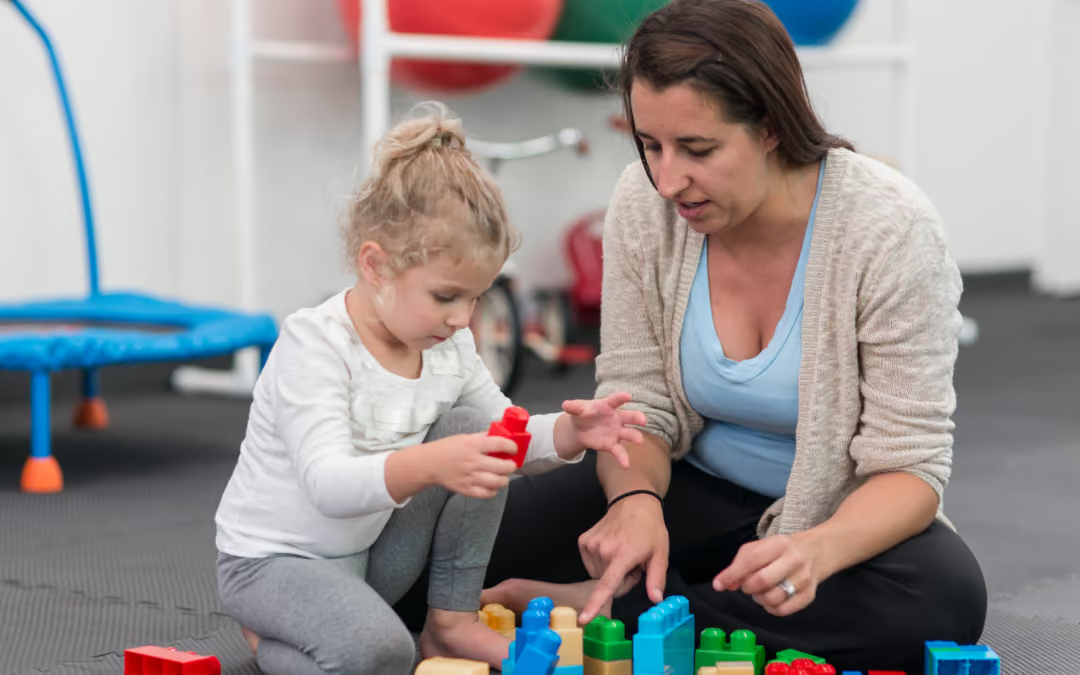
It’s a common worry. But high-quality EIBI doesn’t look like school. It looks like play: games, songs, snacks, movement breaks and lots of praise, with learning woven into every activity. Most children simply think they’re playing, and many look forward to seeing their therapist.
Hours can also be spread across settings. Some families combine center-based sessions, with peers and play spaces, and in-home sessions inside daily routines.
Why the right number of hours matters
Too few hours for a young child’s needs can mean slower progress during the years when progress comes most easily. That’s why we encourage families not to “wait and see” or start with a token schedule. Getting the right intensity early is one of the best investments you can make in your child’s future.
How Peak approaches intensity
- EIBI is our specialty. Our comprehensive programs typically provide 25–40 hours a week of one-to-one therapy with a Registered Behavior Technician, guided by a BCBA.
- Right-sized for every child. For older children or specific goals, we build focused programs at a lower intensity. Same clinicians, same standards.
- A path forward. As children progress, sessions shift toward small groups and more natural learning, preparing them for preschool and kindergarten.
- Expert oversight. Our team includes 15 BCBAs with doctoral-level clinical oversight, serving families in Laramie, Cheyenne, Rock Springs, Idaho Falls and Rexburg. Find a location.
Common questions
Will insurance pay for that many hours?
Many plans cover ABA, including intensive programs, when it’s medically necessary, but benefits vary. We check your coverage and handle authorization requests. See insurance we accept.
How long will my child need ABA?
It varies from child to child. Comprehensive programs often last a year or more, with hours adjusted as goals are met. Your BCBA will review progress with you regularly.
Can I be involved during those hours?
Yes, and we hope you will be. Parent training is built into every Peak program.
Find the right plan for your child
Tell us about your child and we’ll help you understand what intensity makes sense.