
On this page
Applied Behavior Analysis (ABA) is the most widely researched therapy for autism. “Comprehensive” ABA is the fullest version of it: a program that looks at your whole child, not just one skill or one behavior. Here is what that means, how it works, and what to look for in a provider.
Comprehensive vs. focused ABA
ABA programs generally come in two shapes:
- Comprehensive ABA works on many areas of development together: language, play, social skills, self-care, learning readiness and behavior. It is intensive, typically 25–40 hours a week of one-to-one therapy, and it is designed for young children, when development moves fastest. When it starts in the toddler and preschool years, it is often called Early Intensive Behavioral Intervention (EIBI).
- Focused ABA targets a smaller set of goals, such as communication, a specific behavior or a daily routine, at fewer hours a week. It is often a great fit for older children and teens.
At Peak, comprehensive EIBI is our specialty, and we build focused programs for older children and specific goals. Same clinicians, same standards, scaled to fit.
How comprehensive ABA works
- Assessment. A Board Certified Behavior Analyst (BCBA) gets to know your child: what they can already do, what is hard, what they love and what your family most wants to change.
- A personalized plan. The BCBA turns that into clear, measurable goals, written with you, across communication, social, play, self-care and behavior.
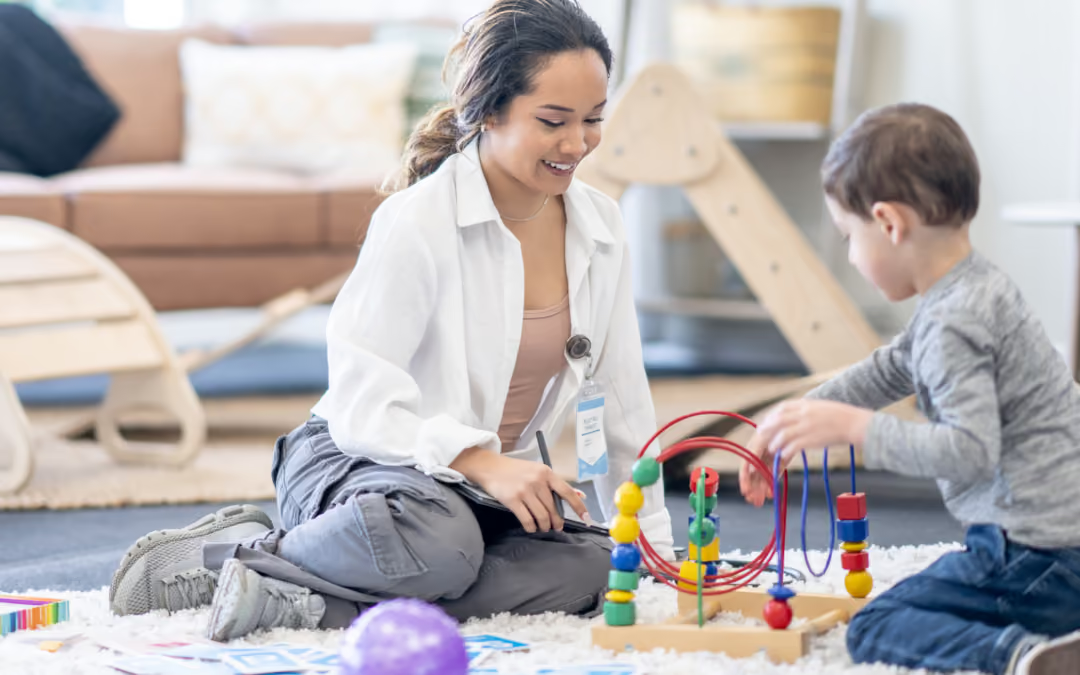
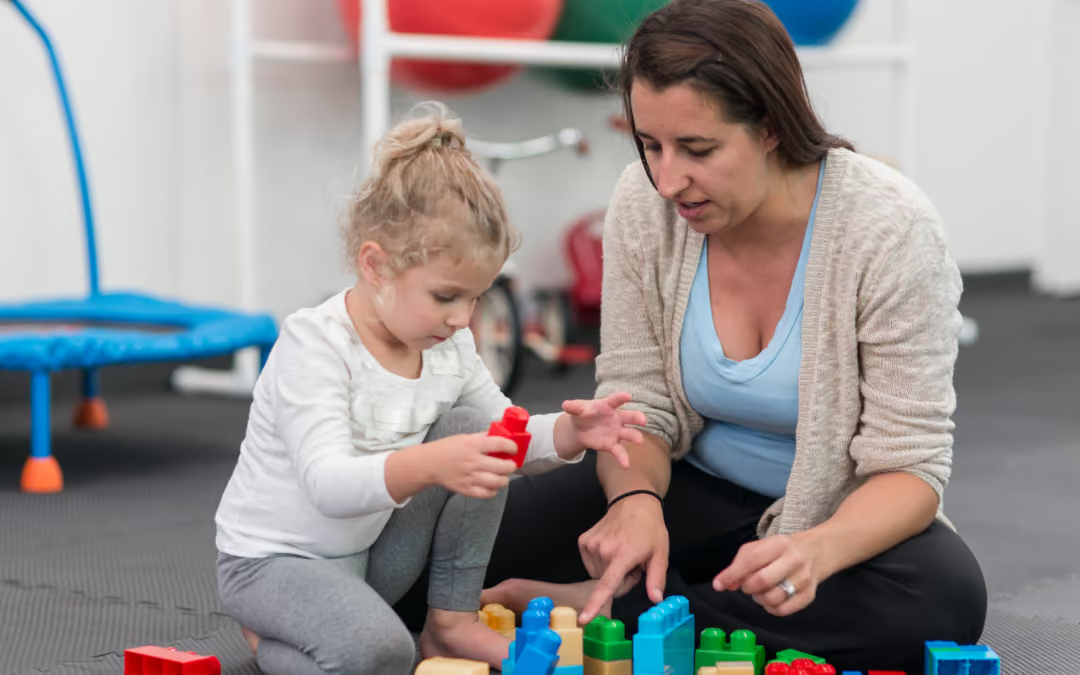
- Skill building, every session. A Registered Behavior Technician (RBT), trained and supervised by your BCBA, works one-to-one with your child. Skills are broken into small steps and taught through play, routines and lots of celebration.
- Progress tracking. Every goal is measured. Your BCBA reviews the data often and changes the plan quickly when something isn’t working, so your child’s time is never wasted.
- Parent training. You learn the same strategies, so new skills show up at home, in the car and at the grocery store, not just in therapy.
What comprehensive ABA can help with
- Communication: first words, requesting, answering questions, conversation.
- Social and play skills: joint attention, turn-taking, playing with peers.
- Independence: dressing, eating, toileting, following routines.
- Learning readiness: sitting for an activity, following directions, skills that prepare a child for preschool and kindergarten.
- Calmer days: replacing meltdowns and other hard behaviors with better ways to communicate needs.
Who benefits most?
Comprehensive ABA is designed for young children with autism, ideally starting soon after diagnosis. Research has consistently found that children who start earlier, and who receive enough hours, tend to make the biggest gains. Every child is different and no honest provider promises a specific outcome, but if you have concerns, starting sooner is almost always better than waiting.
No diagnosis yet? We can help you get an autism evaluation.
How to choose an ABA provider
Not all ABA is the same. Questions worth asking any provider:
- Who designs and supervises my child’s program? Look for a BCBA who knows your child personally and stays closely involved.
- How much clinical depth is behind them? Who does the BCBA turn to for a complex case?
- How is progress measured and shared with me?
- Is parent training built in?
- Can you offer the intensity my child actually needs, whether that’s full EIBI or a focused program?
- Where does therapy happen? Center, home, or both?
Why families choose Peak
- Deep clinical bench. 15 BCBAs with doctoral-level clinical oversight. Meet our team.
- Training that never stops. Peak is an ACE provider, accredited to deliver official continuing education to our own clinicians.
- EIBI is our specialty, with focused programs for older children.
- Your choice of setting. Center-based ABA in Laramie, Cheyenne, Rock Springs, Idaho Falls and Rexburg, and in-home ABA across our service areas.
- Help with insurance. We check your benefits and explain what to expect. See the plans we work with.
Want to see how families’ children progress? Read about our outcomes and what to expect in the first months.
Common questions
How many hours of ABA does my child need?
It depends on your child. Comprehensive programs for young children are typically 25–40 hours a week; focused programs are fewer. Your BCBA recommends hours after the assessment and adjusts them as your child progresses.
Is ABA recommended by doctors?
Yes. ABA is widely recognized by pediatric and autism organizations as an evidence-based treatment for autism.
Can comprehensive ABA happen at home?
Yes. Comprehensive programs can run at home, at one of our clinics, or a mix of both. Read in-home vs. center-based ABA to compare.
Learn more from trusted sources
- Autism Speaks: Applied Behavior Analysis (ABA)
- Behavioral Health Center of Excellence (BHCOE)
- CDC: Treatment and intervention for autism
Get started
You don’t need to have it all figured out. Tell us about your child and we’ll walk you through your options, check your insurance and help you start as soon as possible.